Straight Talk on Metal Braces
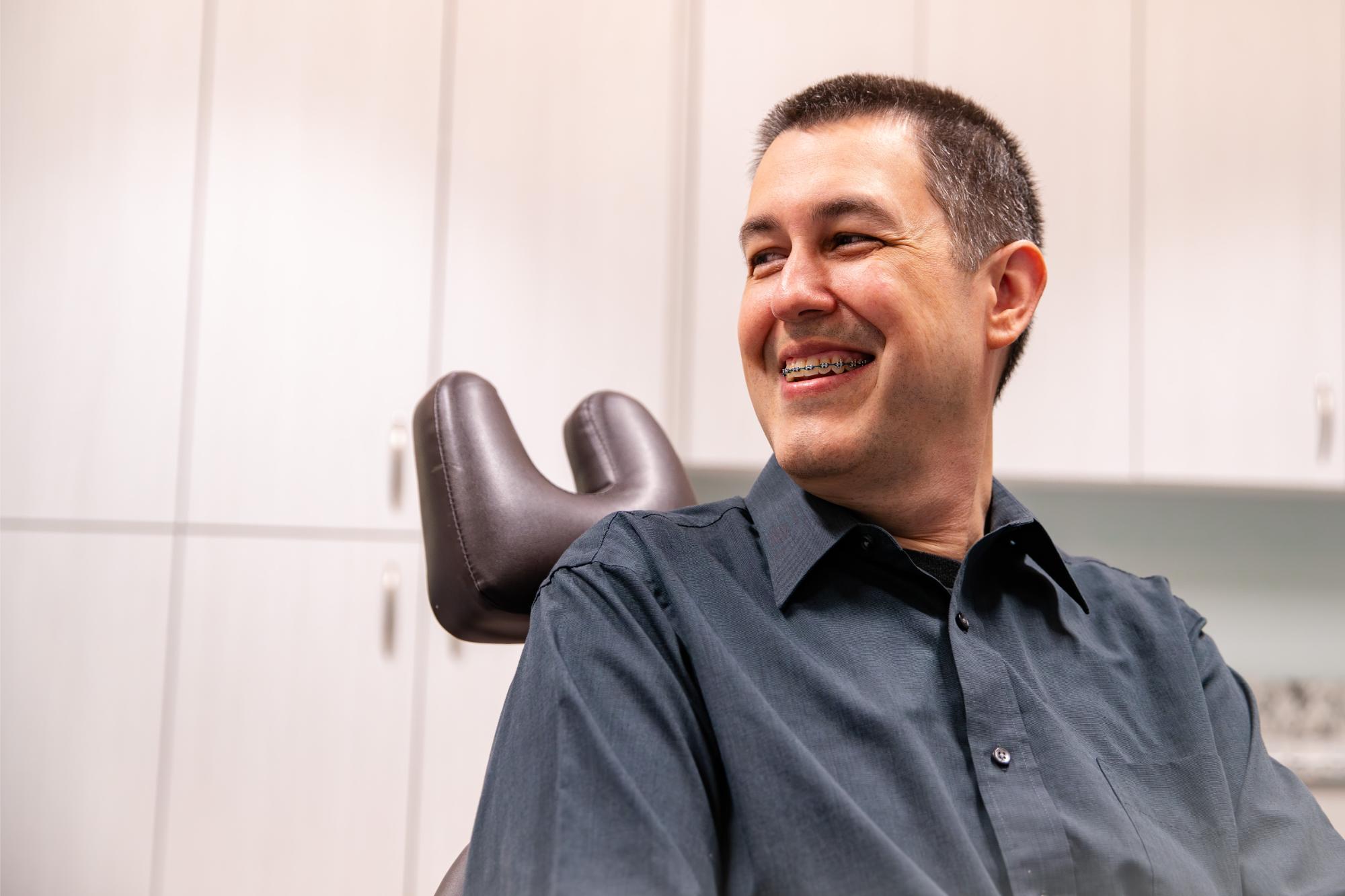
At Morgan Orthodontics, metal braces are the tried-and-true champions of straightening smiles. They've stood the test of time for our Leesburg, Winchester, Purcellville, and Brambleton/Ashburn patients, delivering reliable, effective results year after year. From minor alignment adjustments to more complex cases, metal braces are pros at tackling all sorts of dental quirks. Trust us—these little metal wonders truly know how to get the job done, and today's versions are more comfortable and discreet than ever before.
How Metal Braces Build Smiles
At Morgan Orthodontics, we offer modern metal braces that are more compact, streamlined, and comfortable than the bulky brackets of the past. These durable and cost-effective braces are an excellent choice for tackling complex tooth issues, aligning crowded or crooked teeth, and closing unwanted gaps. Because they're fixed in place and working around the clock, metal braces offer consistent, dependable progress throughout your treatment.
Serving patients in Leesburg, Purcellville, Brambleton/Ashburn, Winchester, and the surrounding communities, we're committed to making your treatment as efficient, comfortable, and rewarding as possible. Wondering how metal braces actually work their magic? Here's a closer look at each component that comes together to build your beautiful new smile.
Brackets
These little powerhouses are crafted from a blend of stainless steel and other sturdy metals. Each one features tiny hooks or latch doors through which a wire slides. Depending on the design, you'll either see the door snap shut or an elastic looped over the wire to hold everything securely in place—the foundation of your entire treatment.
Archwire
This slender metal line connects one bracket to the next and does much of the heavy lifting. Our doctors carefully adjust its shape to guide your teeth exactly where they need to go. Most of the time, the wire links all of your upper or lower teeth together, though occasionally we'll adjust it to focus pressure on just a few specific teeth.
Orthodontic Bands
Think of these as the sturdy anchors of your braces. Made from stainless steel, they're gently cemented to your teeth and can hold other orthodontic appliances in place when needed. Don't worry—they're completely painless, and only some patients require them as part of their treatment plan.
Elastic Ties / O-Rings / Ligatures / Colors
Meet the fashionistas of the braces world! These mini rubber bands connect your archwire to the brackets and are softer than spacers. Best of all, they come in a rainbow of fun colors, letting you personalize your braces and show off a little style at every adjustment visit.
Glue
Dr. Morgan and Dr. Coffelt use a special dental adhesive to securely bond the brackets directly onto your teeth. Once they're in place, those brackets aren't going anywhere—ensuring stable, reliable tooth movement throughout your treatment.
Elastics
Need to correct a bite issue? Elastics are your new best friends. These rubber bands typically stretch between hooks on the upper and lower brackets, helping to shift your jaw forward or backward depending on your specific needs. Natural multitaskers, elastics also add extra force when we want to apply more targeted pressure to particular teeth or areas of the jaw.
Spacers
Need a little room between your teeth? Enter spacers. These tiny rubber loops create just enough space so that orthodontic bands can fit comfortably later on. You might also hear our team refer to them as separators—either way, they play a small but important role in preparing your smile for treatment.
Curious whether metal braces are the right choice for you or your child? Our expert team is here to help. Compare your options with clear aligners or explore our full range of orthodontic treatments, then book your free consultation at any of our four convenient locations.
Caring for Your Braces
Frequently Asked Questions
How do metal braces work?
Metal braces use a system of brackets bonded to your teeth, connected by an archwire that our orthodontists carefully adjust to guide your teeth into proper alignment. Elastic ties, bands, and elastics work together to apply gentle, consistent pressure over time. Because they're fixed in place and working 24/7, metal braces deliver reliable results for everything from simple to complex cases.
Are metal braces uncomfortable?
Today's metal braces are more compact, streamlined, and comfortable than ever before. You may feel mild soreness after adjustments as your teeth shift, but this typically fades within a day or two. Our team provides guidance and tips to keep you comfortable throughout treatment, and any minor irritation is easily managed with orthodontic wax and over-the-counter relief.
Can I choose the color of my braces?
Yes! The elastic ties—also called O-rings or ligatures—that hold your archwire to the brackets come in a rainbow of colors. At each adjustment visit, you can choose new colors to match your style, celebrate a holiday, or show off your school spirit. It's a fun way to personalize your braces throughout your treatment.
How long will I need to wear metal braces?
Treatment length varies based on your individual needs and the complexity of your case, but most patients wear metal braces for between one and three years. During your free consultation, our orthodontists will evaluate your teeth and jaw and provide a personalized estimate of your treatment timeline, along with a clear plan to achieve your best smile.
Are metal braces more affordable than clear aligners?
Metal braces are often one of the most cost-effective orthodontic options, which is one reason they remain so popular. They're also highly versatile and especially effective for complex cases. During your consultation, we'll review your treatment options, discuss costs, and explain our flexible financing and insurance options to help make your care affordable.
What are elastics used for with metal braces?
Elastics are small rubber bands that typically stretch between hooks on the upper and lower brackets. They help correct bite issues by gently shifting the jaw forward or backward as needed. Elastics can also apply extra targeted pressure to specific teeth or areas of the jaw, playing an important role in achieving a balanced, properly aligned bite.