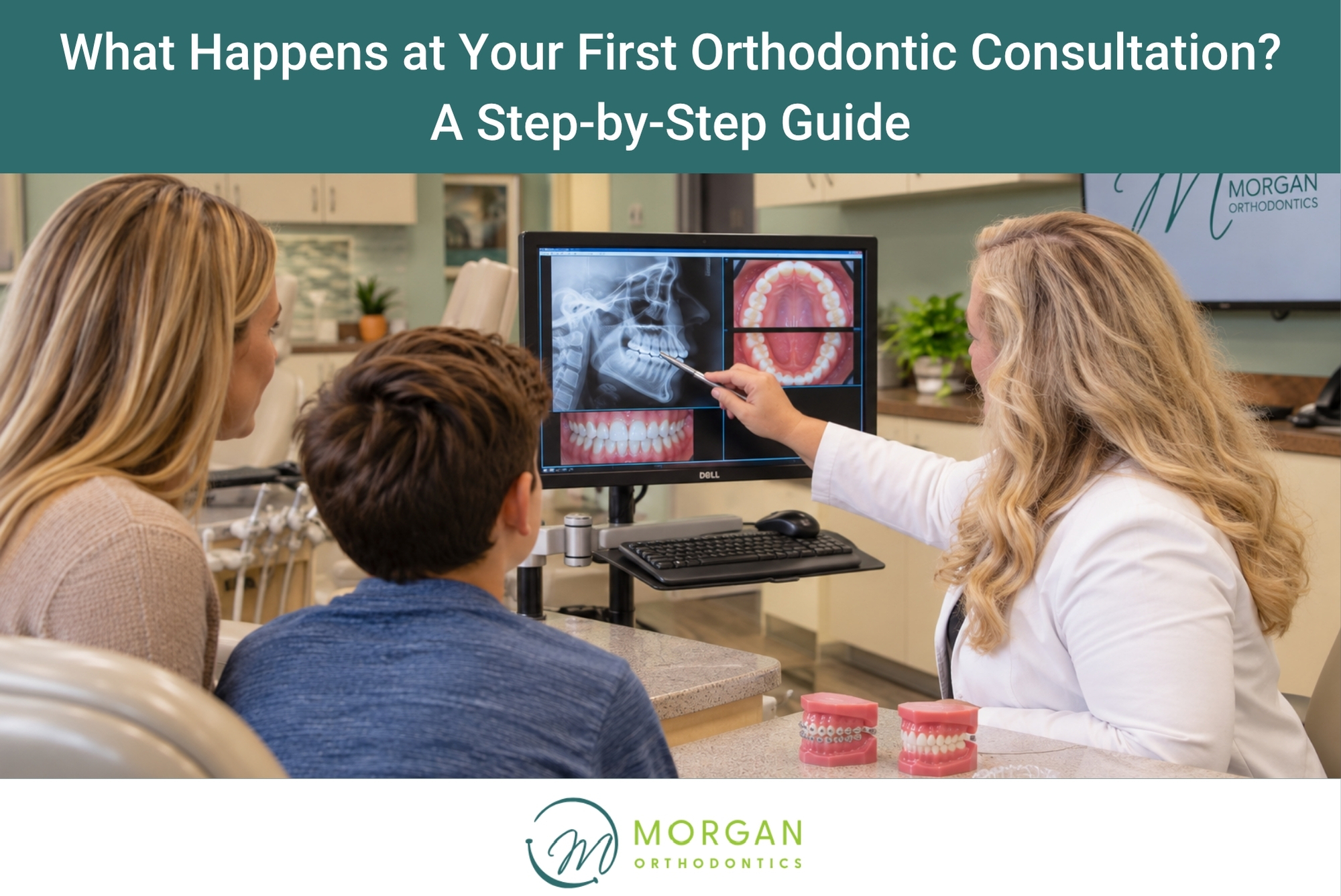
 If you are considering braces or clear aligners for yourself or your child, the first orthodontic consultation is an important step toward achieving a healthier, more confident smile. Knowing what to expect can make the appointment easier and help you arrive prepared to ask the right questions.
At Morgan Orthodontics, an orthodontic consultation is designed to provide a comprehensive evaluation of your teeth, jaws, bite, and overall orthodontic needs. Rather than simply determining whether braces are necessary, the consultation helps establish an individualized approach to treatment based on your oral development, alignment concerns, lifestyle, and long-term goals.
If you are searching for an orthodontic consultation in Leesburg, VA, understanding each stage of the process can help you make an informed decision about orthodontic care.
Why Is an Orthodontic Consultation Important?
An orthodontic consultation allows an orthodontist to evaluate how the teeth and jaws function together. Orthodontic problems are not limited to crooked teeth. Crowding, excessive spacing, overbites, underbites, crossbites, open bites, impacted teeth, and abnormal jaw relationships may affect oral health and function.
A professional evaluation can identify existing concerns and, particularly in children, detect developing orthodontic problems before they become more complicated.
The consultation also gives patients and parents an opportunity to understand treatment recommendations, potential treatment options, expected timelines, and what orthodontic care may involve before deciding how to proceed.
Step 1: Getting to Know You and Your Orthodontic Goals
Discussing Your Primary Concerns
The consultation generally begins with a conversation about why you are seeking orthodontic care.
Some patients are primarily concerned about crowded or crooked teeth. Others may notice gaps, protruding teeth, difficulty biting or chewing, or a bite that does not seem to fit together correctly.
Parents may schedule an evaluation because their child’s dentist has recommended seeing an orthodontist or because they have noticed changes in their child’s developing teeth.
Adults may have entirely different priorities, such as correcting long-standing alignment concerns or exploring discreet treatment options that fit their professional and social lives.
Understanding these goals helps the orthodontic team develop recommendations that address both functional and aesthetic concerns.
Reviewing Your Dental and Health History
Your orthodontic team may also review relevant dental and medical information. Certain health conditions, medications, previous dental procedures, missing teeth, restorations, gum health, and oral habits can influence orthodontic planning.
Providing complete and accurate information helps the orthodontist determine which treatment approaches may be appropriate.
Step 2: A Comprehensive Orthodontic Examination
Evaluating Your Teeth and Bite
A clinical examination is one of the most important components of an orthodontic consultation in Leesburg, VA.
The orthodontist evaluates the position of the teeth and how the upper and lower teeth come together. This examination may identify conditions such as:
Crowding occurs when there is insufficient space for the teeth to align properly.
Spacing involves noticeable gaps between teeth.
An overbite refers to excessive vertical overlap of the upper and lower front teeth.
An overjet occurs when the upper front teeth project horizontally ahead of the lower front teeth.
An underbite occurs when the lower teeth or jaw extend ahead of the upper teeth or jaw.
A crossbite occurs when certain upper teeth bite inside the lower teeth rather than outside them.
An open bite occurs when some upper and lower teeth do not meet when the mouth is closed.
Identifying the type and severity of the bite problem helps guide treatment planning.
Assessing Jaw Relationships
Orthodontics involves more than straightening individual teeth. The orthodontist also evaluates the relationship between the upper and lower jaws.
Jaw growth and position can influence facial balance, bite function, tooth alignment, and treatment recommendations. This assessment is especially important for growing children and adolescents because their jaws are still developing.
Evaluating Facial and Smile Proportions
Orthodontic treatment planning also considers how the teeth relate to the lips, facial profile, and smile.
The objective is not simply to produce straight teeth. Effective orthodontic treatment aims to create an attractive, functional, stable result that complements the patient’s individual facial characteristics.
Step 3: Taking Diagnostic Records When Needed
Digital Photographs
Photographs may be taken of the face, smile, and teeth to document current conditions and assist with treatment planning.
These records can help the orthodontist analyze tooth alignment, facial proportions, and smile characteristics. They may also provide a useful comparison as treatment progresses.
Digital X-Rays
Depending on the patient’s needs and available existing records, diagnostic imaging may be recommended.
Orthodontic X-rays can provide information that cannot be obtained through a visual examination alone. They may reveal tooth roots, unerupted or impacted teeth, jaw structures, developing permanent teeth, bone relationships, and other important anatomical features.
The orthodontist determines which records are appropriate based on the individual patient’s circumstances.
Digital Scans or Impressions
Modern orthodontic practices may use digital scanning technology to create a three-dimensional representation of the teeth.
These models allow orthodontists to analyze tooth positions, evaluate available space, study the bite, and plan tooth movement. Digital scans may also be used when planning certain clear aligner treatments or orthodontic appliances.
Step 4: Understanding Your Orthodontic Diagnosis
Once the examination and necessary diagnostic information have been reviewed, the orthodontist can explain what is happening with your teeth and bite.
Identifying the Orthodontic Problem
Your orthodontist may discuss whether you have crowding, spacing, bite discrepancies, jaw growth concerns, impacted teeth, or a combination of conditions.
Understanding the diagnosis is important because it explains why a particular treatment approach may be recommended.
Looking Beyond Cosmetic Alignment
Straightening teeth can improve appearance, but orthodontic treatment also focuses on function and long-term oral health.
Properly aligned teeth can be easier to clean effectively. Improving certain bite relationships may also help distribute biting forces more appropriately and improve how the teeth function together.
Every patient is different, which is why treatment recommendations should be based on a comprehensive orthodontic assessment rather than appearance alone.
Step 5: Reviewing Your Treatment Options
Traditional Braces
Traditional braces remain an effective and versatile treatment option for many orthodontic conditions. Brackets are attached to the teeth and connected by orthodontic wires that guide teeth toward planned positions over time.
Modern braces are generally smaller and more streamlined than earlier generations of orthodontic appliances.
Clear Aligners
Clear aligner therapy may be appropriate for certain adolescents and adults who prefer a removable and less noticeable orthodontic option.
Aligners use a planned sequence of customized trays to move the teeth gradually. Because the trays are removable, patients can take them out for eating, drinking, brushing, and flossing.
Successful aligner treatment requires consistent wear and patient cooperation.
Other Orthodontic Appliances
Some patients may require additional appliances to address specific orthodontic concerns.
The type of appliance recommended depends on factors such as age, jaw development, tooth position, bite relationship, and the complexity of treatment.
Your orthodontist will explain why a particular approach is recommended and how it contributes to the overall treatment plan.
Step 6: Discussing How Long Orthodontic Treatment May Take
Treatment time varies considerably from patient to patient.
Minor alignment problems may require less time, while significant crowding, bite discrepancies, impacted teeth, or complex tooth movements can require a longer treatment period.
Other factors influencing treatment time include:
- The complexity of the orthodontic problem
- The patient’s age and stage of development
- The treatment method selected
- Biological response to orthodontic forces
- Appointment attendance
- Oral hygiene
- Wearing aligners, elastics, or appliances as directed
- Following the orthodontist’s treatment instructions
During your consultation, the orthodontist can provide a personalized estimate based on your specific orthodontic needs.
Step 7: Discussing Costs and Financial Considerations
Orthodontic treatment is highly individualized, so costs can vary depending on the complexity and duration of treatment and the treatment method selected.
The consultation process provides an opportunity to understand anticipated treatment costs and discuss applicable insurance benefits, payment arrangements, or other financial considerations available through the practice.
Patients should feel comfortable asking questions about financial responsibilities before beginning treatment.
Step 8: Asking Questions About Your Treatment Plan
Your first orthodontic consultation is also your opportunity to ask questions.
Useful questions may include:
- What orthodontic problems do I have?
- Why are you recommending treatment?
- What treatment options are appropriate for me?
- Are braces or clear aligners better suited to my needs?
- How long is treatment expected to take?
- Will I need additional appliances?
- How often will appointments be necessary?
- Are there foods or activities I should avoid?
- What happens if I delay treatment?
- What type of retention will I need afterward?
- What will my treatment cost?
A good orthodontic consultation should leave you with a clear understanding of your diagnosis, available options, and recommended next steps.
What Happens After Your Orthodontic Consultation?
The next step depends on the findings of your evaluation.
Some patients may be ready to begin treatment soon after their consultation. Others may need dental treatment completed before orthodontics begins.
For younger patients, immediate treatment may not always be necessary. In some cases, an orthodontist may recommend periodic observation while permanent teeth erupt and facial growth continues.
Monitoring development can allow treatment to begin at a more appropriate stage rather than starting before it is necessary.
Preparing for Your First Orthodontic Consultation
Bring Relevant Dental Information
If you have recent dental records, information about previous orthodontic treatment, or details about ongoing dental care, having that information available can be helpful.
Write Down Your Questions
It can be easy to forget questions during an appointment. Creating a short list beforehand ensures that your most important concerns are addressed.
Talk With Your Child Before the Appointment
For younger patients, explain that the consultation is an opportunity for the orthodontist to look at their teeth and determine how their smile is developing.
A positive, straightforward explanation can help children feel more comfortable about the experience.
When Should a Child Have an Orthodontic Consultation?
The American Association of Orthodontists recommends that children have their first orthodontic check-up no later than age 7.
This does not mean that every 7-year-old needs braces. Instead, an early evaluation allows an orthodontist to examine developing teeth and jaw growth while both primary and permanent teeth may be present.
Some orthodontic problems benefit from early intervention, while others are better treated later. An evaluation helps determine the appropriate timing.
Can Adults Schedule an Orthodontic Consultation?
Yes. Orthodontic treatment is not limited to children and teenagers.
Adults frequently seek orthodontic treatment to improve tooth alignment, correct bite concerns, prepare for restorative dental procedures, or address orthodontic issues they did not treat earlier in life.
Healthy teeth can often be moved orthodontically at many ages. However, adult treatment planning may require additional consideration of gum health, bone support, missing teeth, crowns, bridges, implants, and previous dental treatment.
An orthodontic consultation helps determine which options are appropriate for an individual adult patient’s needs.
Why Choose Morgan Orthodontics for an Orthodontic Consultation?
Choosing an orthodontic provider involves more than selecting braces or aligners. Orthodontic treatment requires careful diagnosis, individualized planning, ongoing monitoring, and adjustments throughout the treatment process.
Morgan Orthodontics serves patients through offices in Leesburg, Winchester, and Purcellville, Virginia, providing convenient access to orthodontic care for individuals and families throughout the region.
If you are considering an orthodontic consultation in Leesburg, VA, the first appointment can help you understand your current orthodontic condition, explore potential treatment options, and determine the appropriate next steps toward a healthier, more functional smile.
Frequently Asked Questions About Your First Orthodontic Consultation
Does an orthodontic consultation mean I have to get braces?
No. A consultation is an evaluation designed to determine whether orthodontic treatment is recommended and, if so, which options may be appropriate. Some patients may not need immediate treatment.
Will I get braces at my first orthodontic consultation?
Not necessarily. The initial appointment typically focuses on evaluating your orthodontic needs and discussing treatment recommendations. The timing of starting braces or another treatment depends on the patient’s individual circumstances and treatment plan.
How long does an orthodontic consultation take?
Appointment length can vary depending on the examination, diagnostic records required, and complexity of the patient’s needs. The practice can provide more specific scheduling information when you make your appointment.
Do I need a dentist’s referral to see an orthodontist?
Patients can generally contact an orthodontic office directly to request a consultation. A dentist may recommend an orthodontic evaluation, but you do not necessarily have to wait for a referral if you have concerns about your teeth or bite.
What age should my child first see an orthodontist?
The American Association of Orthodontists recommends an orthodontic check-up no later than age 7. Earlier evaluation may be appropriate if a parent or dentist notices a significant concern.
Does an evaluation at age 7 mean my child will need braces immediately?
No. Many children evaluated at this age do not require immediate orthodontic treatment. The orthodontist may simply monitor tooth eruption and jaw development until treatment would be more beneficial.
What signs might indicate that my child needs an orthodontic evaluation?
Potential signs include crowded teeth, early or late loss of baby teeth, difficulty chewing, protruding teeth, jaws that appear disproportionate, teeth that do not meet correctly, persistent oral habits, or significant spacing.
An orthodontist should determine whether these findings require treatment.
Can I have an orthodontic consultation as an adult?
Absolutely. Adults can be evaluated for braces, clear aligners, and other orthodontic treatment options. The orthodontist will assess the teeth, gums, bone support, bite, and existing dental work before recommending treatment.
Are clear aligners available to everyone?
Not necessarily. Clear aligners can successfully treat many orthodontic conditions, but they may not be the preferred option for every patient or every type of tooth movement. An orthodontic evaluation is necessary to determine candidacy.
Will X-rays be required at my first consultation?
Diagnostic imaging may be recommended when it provides information necessary for diagnosis or treatment planning. The orthodontic team will determine which records are appropriate based on your needs and any recent imaging that may be available.
What if I have cavities or gum disease?
Active dental disease may need to be treated before orthodontic treatment begins. Maintaining healthy teeth and gums is particularly important during orthodontic care because appliances can make oral hygiene more challenging.
How often will I need appointments once treatment begins?
Appointment frequency depends on the type of orthodontic treatment and the patient’s individual needs. Your orthodontic team will establish an appropriate schedule and explain what to expect.
What happens after braces or clear aligners are finished?
Retention is a critical stage of orthodontic treatment. Retainers help maintain the corrected tooth positions after active orthodontic movement is complete. Your orthodontist will provide specific instructions regarding the type and duration of retainer wear.
How do I schedule an orthodontic consultation in Leesburg, VA?
Patients interested in an orthodontic consultation in Leesburg, VA can contact Morgan Orthodontics at (703) 723-5900 or visit morganorthodontics.com for additional information.
Take the First Step Toward a Healthier Smile
Your first orthodontic consultation is an opportunity to understand your teeth, bite, and treatment options without having to navigate the process on your own.
Through a comprehensive examination and individualized treatment planning, an orthodontist can identify existing or developing concerns and explain which treatment options may help achieve a functional, stable, and attractive smile.
Whether you are considering orthodontic treatment for your child, teenager, or yourself, Morgan Orthodontics offers care through locations in Leesburg, Winchester, and Purcellville.
Schedule an orthodontic consultation in Leesburg, VA, or contact the Morgan Orthodontics location most convenient for you to begin exploring your treatment options.
Contact Information
Morgan Orthodontics
Leesburg Office
19420 Golf Vista Plaza, Ste. 120
Leesburg, VA 20176
Phone: 703-723-5900
Winchester Office
1841 West Plaza Dr.
Winchester, VA 22601
Phone: 540-667-5446
Purcellville Office
610 E Main Street
Purcellville, VA 20132
Phone: 540-338-8125
Website: morganorthodontics.com
Call Us: (703) 723-5900